_320x0.webp)
Earth Month Highlight: Why We’re Partnering with SeaTrees

Caring for the Coastlines We Love
There is something about being near the ocean that stays with you. The light. The wildlife. The feeling of looking out at the water and remembering how big and beautiful this planet really is. That's part of why this Earth Month partner highlight feels so meaningful to us. When we support ocean restoration, we are not just funding a project somewhere far away. We are helping care for the coastlines, marine life, and local communities that make so many of our travel experiences unforgettable.
That's why we are proud to support SeaTrees through two restoration projects in Europe: seagrass restoration in Mallorca, Spain, and kelp restoration in Cascais, Portugal. SeaTrees works with local partners to restore coastal ecosystems like seagrass meadows, kelp forests, mangroves, and coral reefs, with a focus on ocean health, biodiversity, and community impact.
_2048x0.webp)
_2048x0.webp)
_2048x0.webp)
Restoring Seagrass in Mallorca, Spain
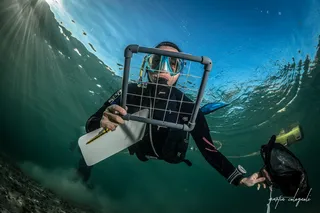
In Mallorca, SeaTrees is working with The Cleanwave Foundation on the MedGardens Seagrass and Macroalgae Restoration Project. This work supports one of three restoration sites and includes more than planting. This project conducts research, completes marine debris removal, provides education, volunteer opportunities, and more sustainable mooring equipment in an area with heavy boat traffic.
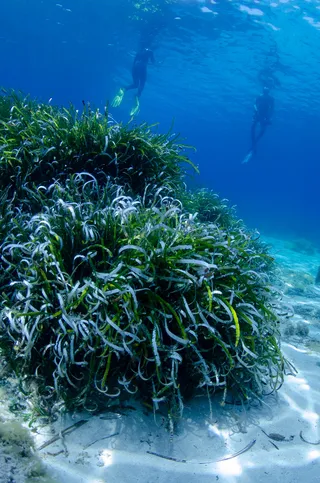
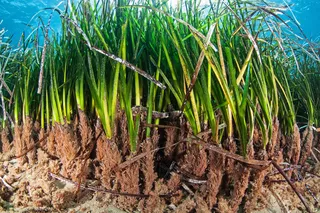
Why should you care about seagrass? Seagrass helps support clear water, thriving marine life, healthier fisheries, carbon storage, and protection from coastal erosion during storms. It is one of those quiet ecosystems that does a huge amount of work below the surface. Supporting this project means supporting the long-term health of a place people already love to visit.
copy_320x0.webp)
Bringing Kelp Back in Cascais, Portugal
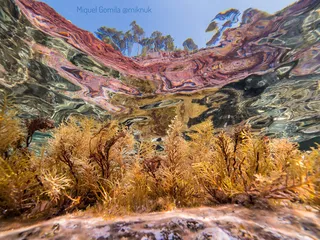
In Cascais, SeaTrees is supporting kelp restoration with SeaForester. Kelp forests once thrived there but have largely disappeared over the last few decades. Even as conditions have improved, kelp has not naturally returned to much of the coastline, which is why this project focuses on active restoration. Using an innovative method called green gravel, the team grows seaweed on small stones in nurseries and then returns them to the sea to help rebuild the forest.
This project matters because kelp forests are not just seaweed. They create habitat, support biodiversity, improve water quality, and help strengthen coastal ecosystems. When kelp disappears, the effects ripple outward, impacting marine life and communities connected to the sea. Restoration gives that system a chance to come back.
_320x0.webp)
_320x0.webp)
_320x0.webp)
_320x0.webp)
Earth Month, the Olivia Way
These ecosystems help protect the world we love to explore. They support cleaner water, healthier marine life, stronger coastlines, and more resilient communities. They help make ocean destinations feel vibrant, wild, and full of wonder.
This Earth Month, let's celebrate our love for the sea. Love for the places that move us. Love for the idea that travel can be joyful and still give something back. By supporting seagrass restoration in Mallorca and kelp restoration in Cascais, we are choosing to invest in healthier coastlines and a more beautiful future.
We look forward to supporting more projects from SeaTrees and hope you join us in supporting and appreciating their conservation and restoration work.
All photos supplied from our partner SeaTrees.